- This event has passed.
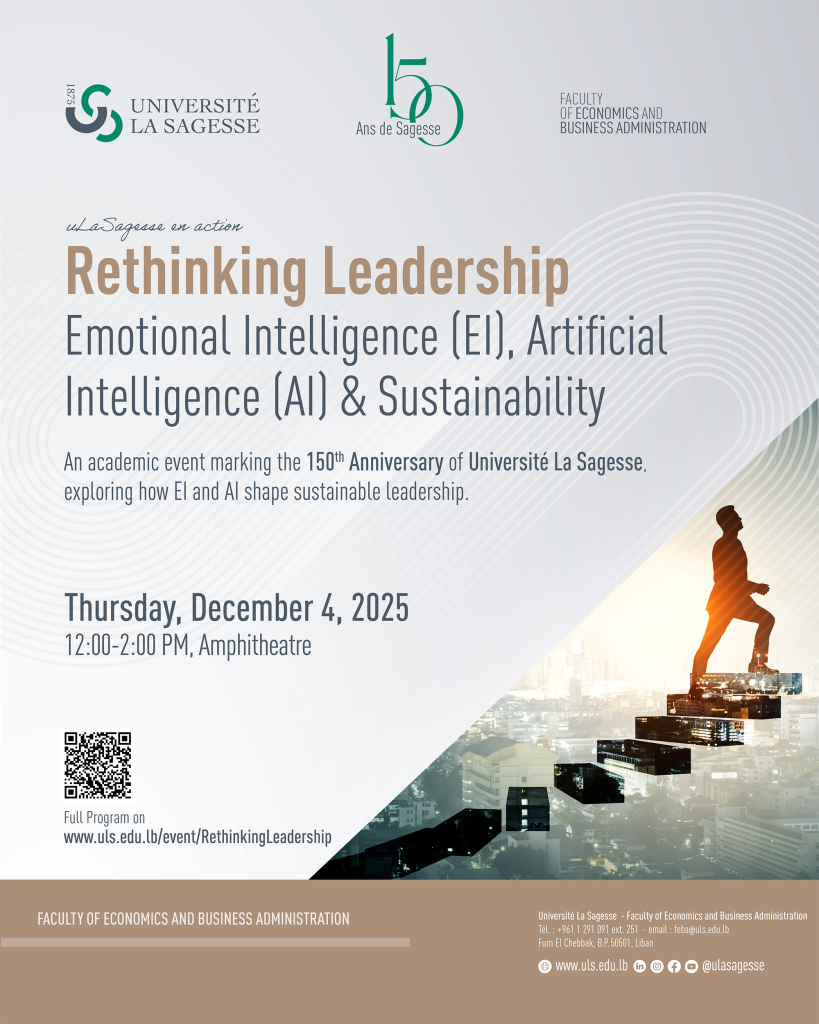
Rethinking Leadership : A Panel Discussion at Université La Sagesse on the Evolution of Leadership in the Age of Artificial Intelligence
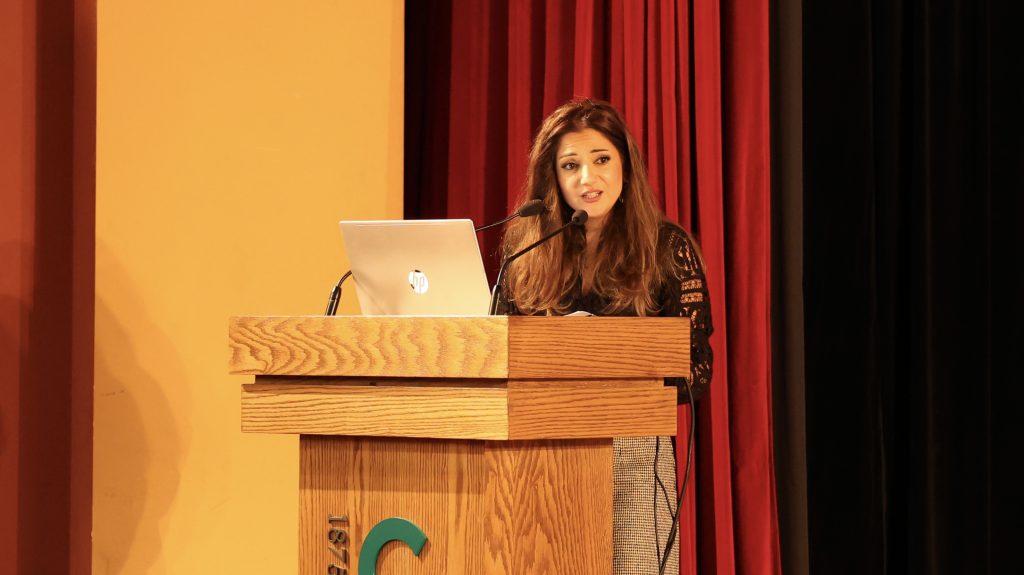
Dr Sandra Ghosn, Dean of the Faculty of Economics & Business Administration:
“Universities have a responsibility to prepare leaders capable of balancing progress with responsibility.”
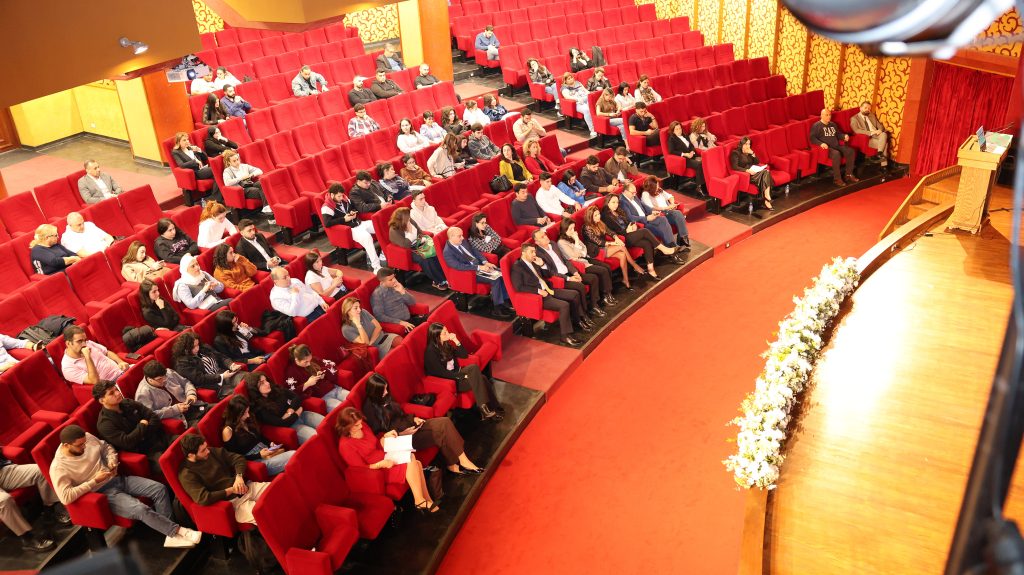
The Faculty of Economics and Business Administration at Université La Sagesse organised a panel discussion on the evolution of the concept of Leadership in light of the Artificial Intelligence revolution, the growing need for Emotional Intelligence, and how both AI and EI contribute to shaping sustainable leadership.
The event aimed to address the accelerating modern challenges and prepare for those expected to intensify in the near future.
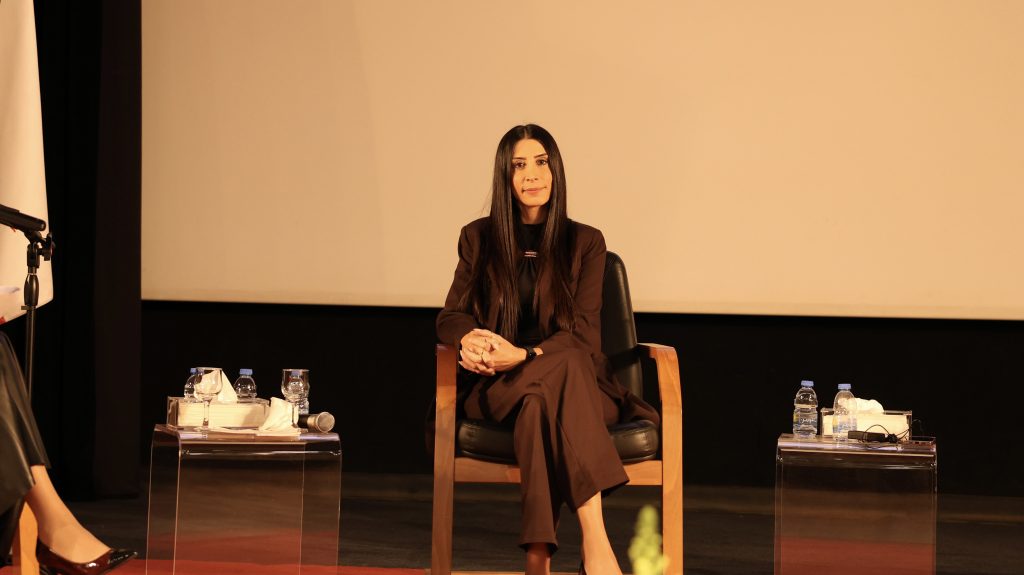
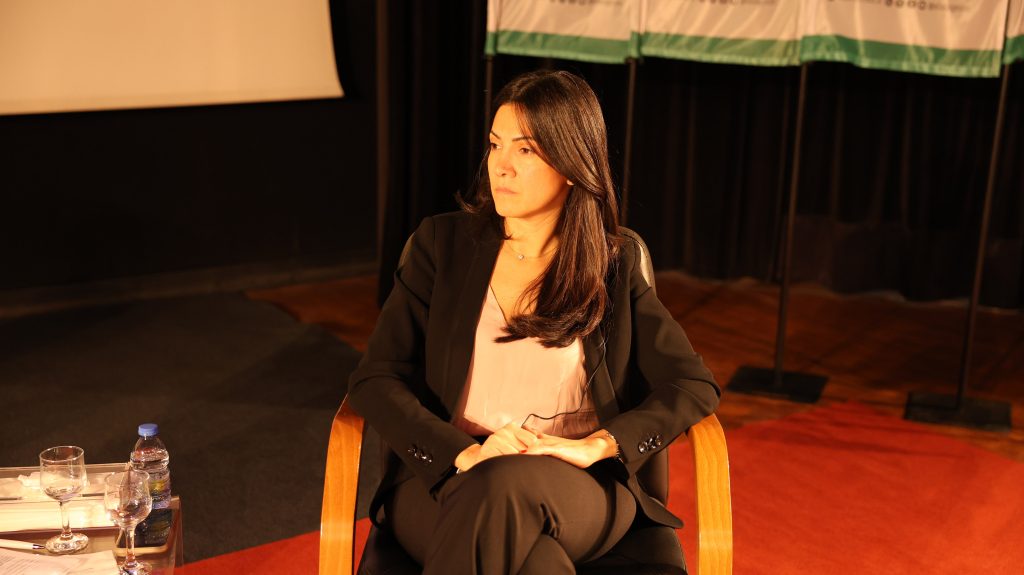
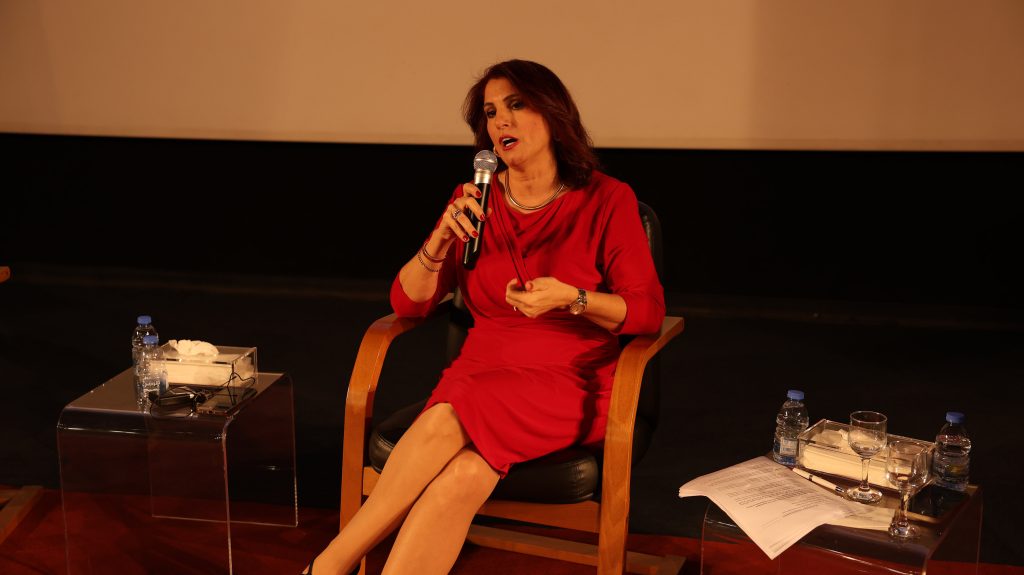
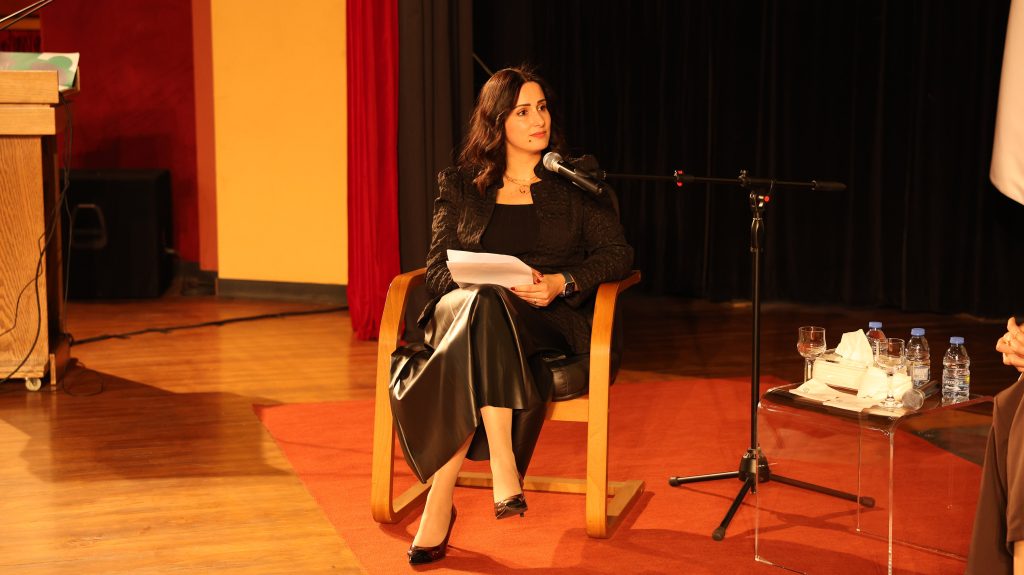
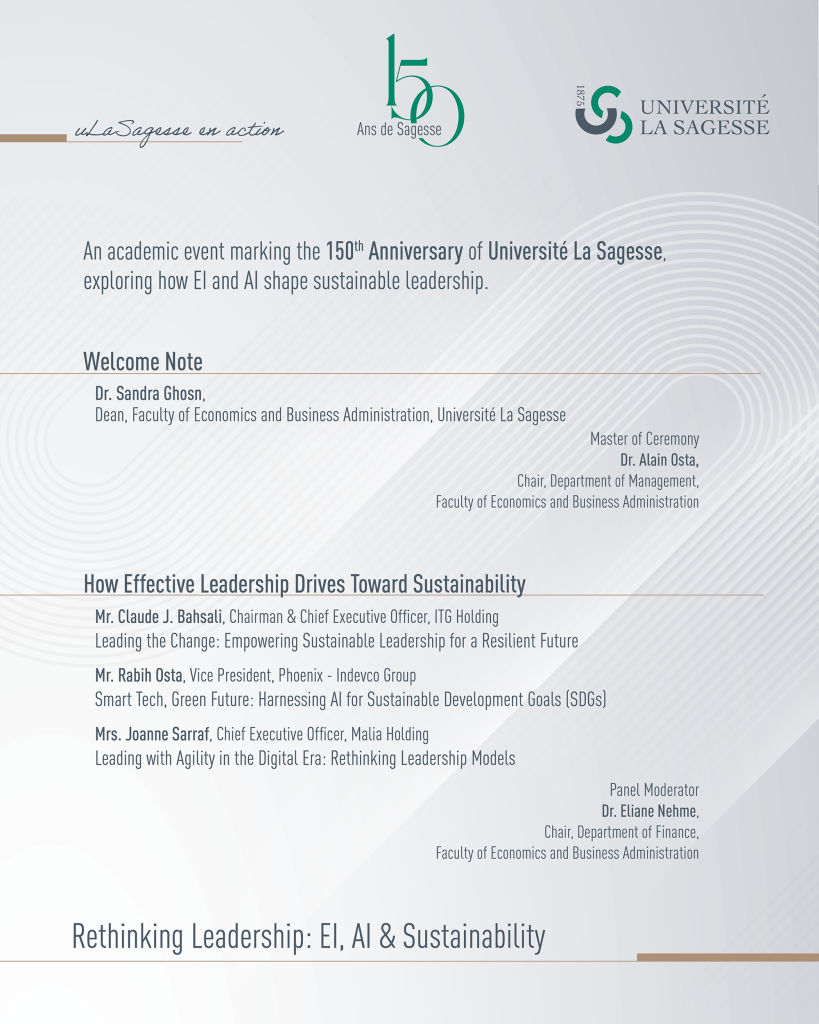
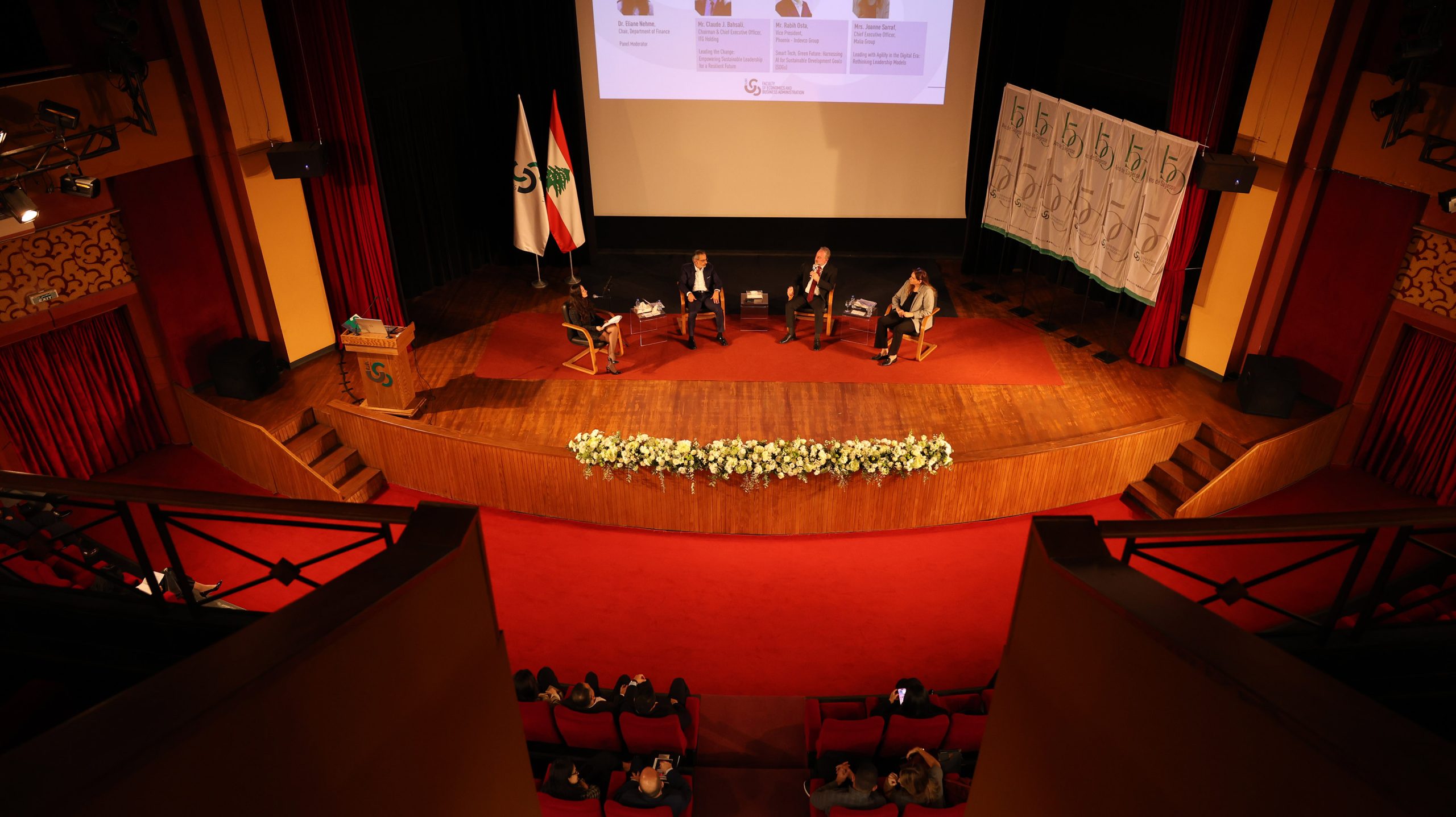
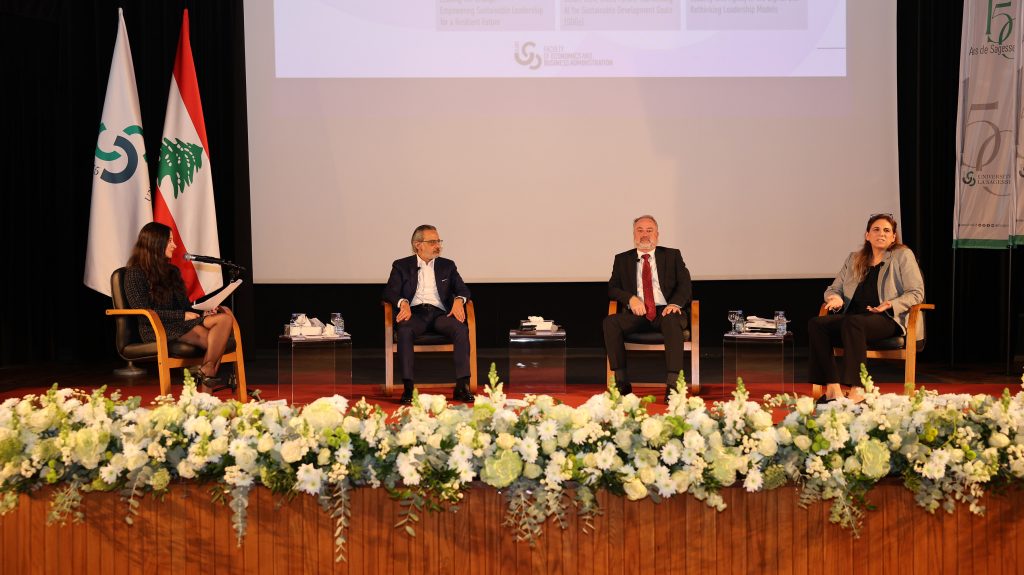
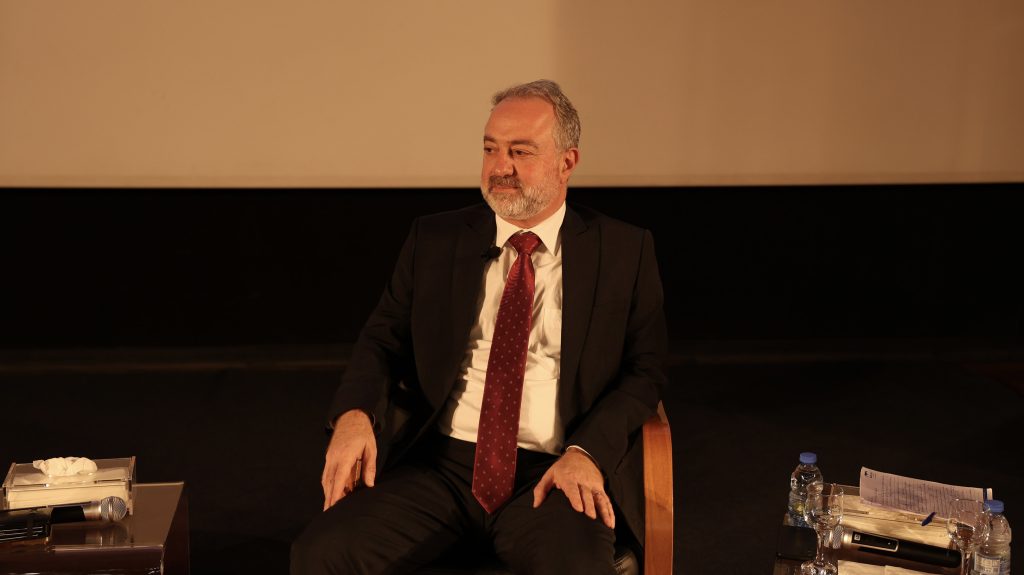
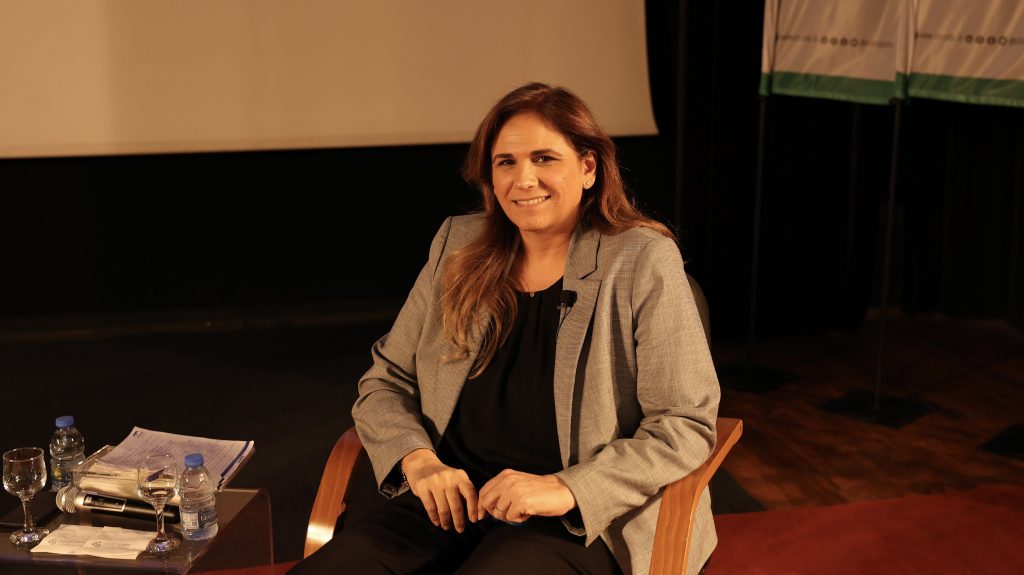
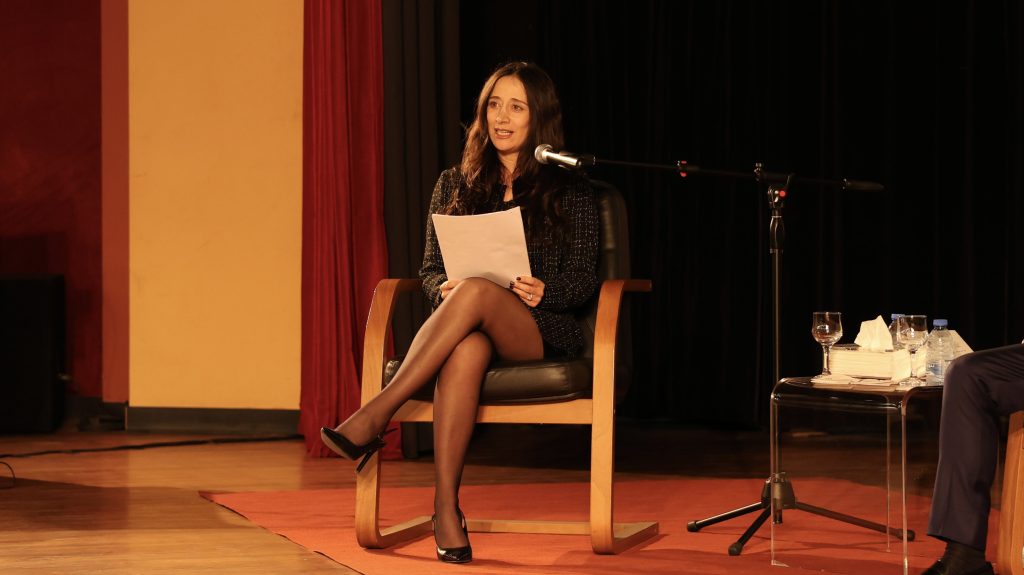
This discussion took place as part of the university’s celebrations of its 150th anniversary, and the 25th anniversary of the Faculty of Economics and Business Administration. It was held in the presence of University President Professor Georges Nehme, Vice Presidents, Dean of the Faculty Dr. Sandra Ghosn, panelists Claude J. Bahsali (Chairman & CEO of ITG Holding), Rabih Osta (Vice President at Phoenix Energy / Indevco Group), and Joanne Sarraf (CEO of Malia Group), who took part in a discussion moderated by Dr. Eliane Nehme, Head of the Finance Department.
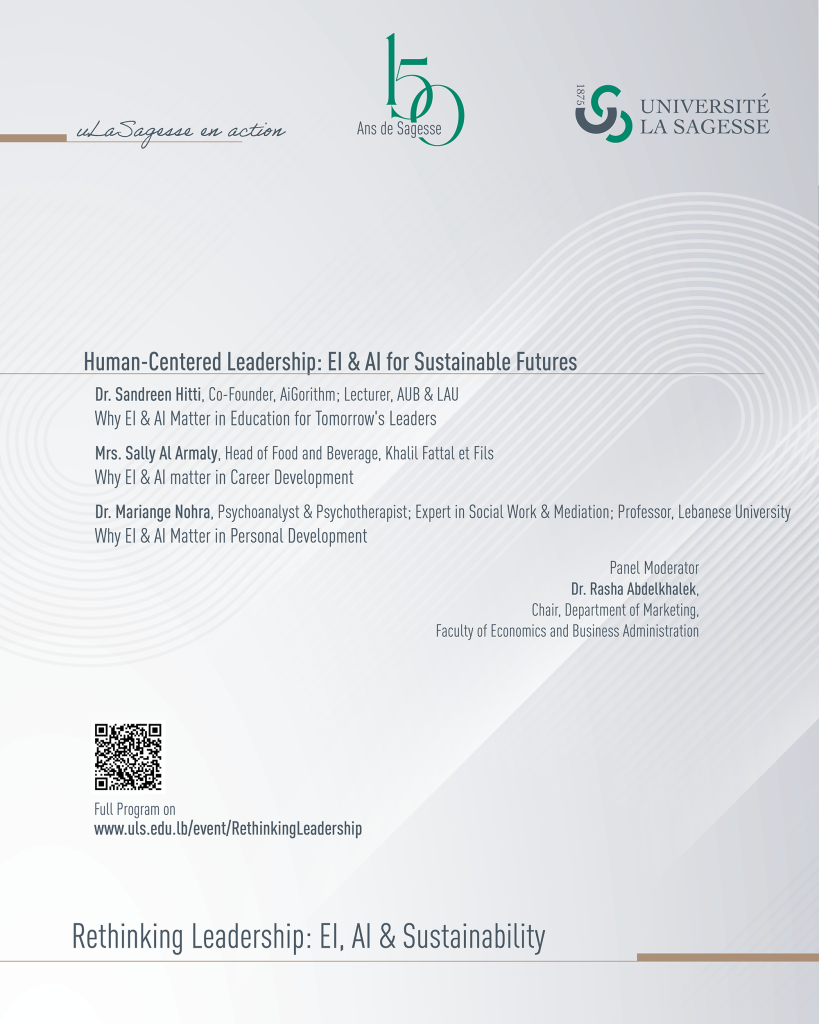
A second panel followed, featuring Dr. Sandreen Hitti (Co-founder of AiGorithm), Sally Al Armaly (Head of Food & Beverage, Khalil Fattal & Fils), and Dr. Mariange Nohra (Psychotherapist, expert in social work and mediation, and professor), moderated by Dr. Rasha Abdel Khaleq, Head of the Marketing Department.
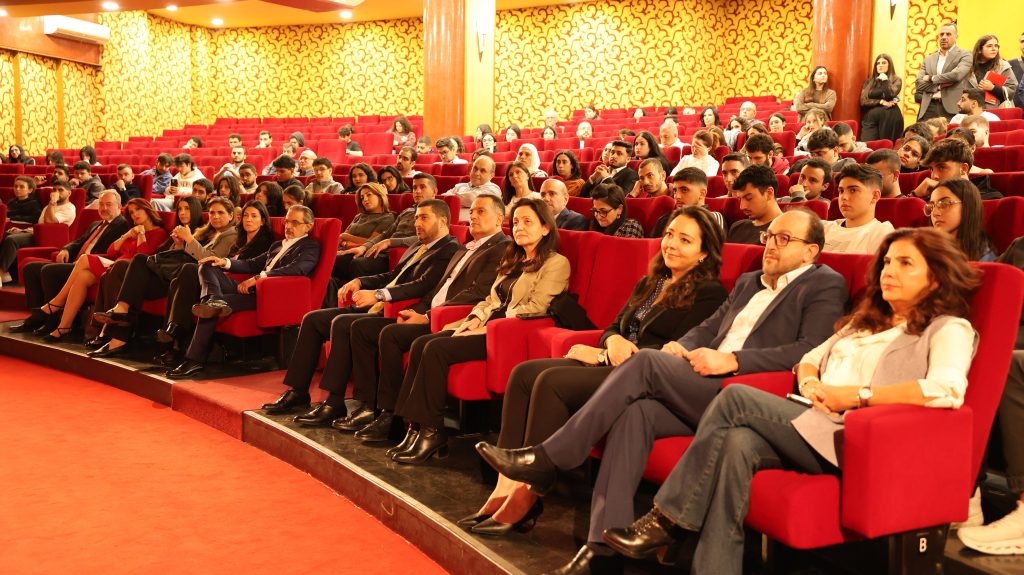
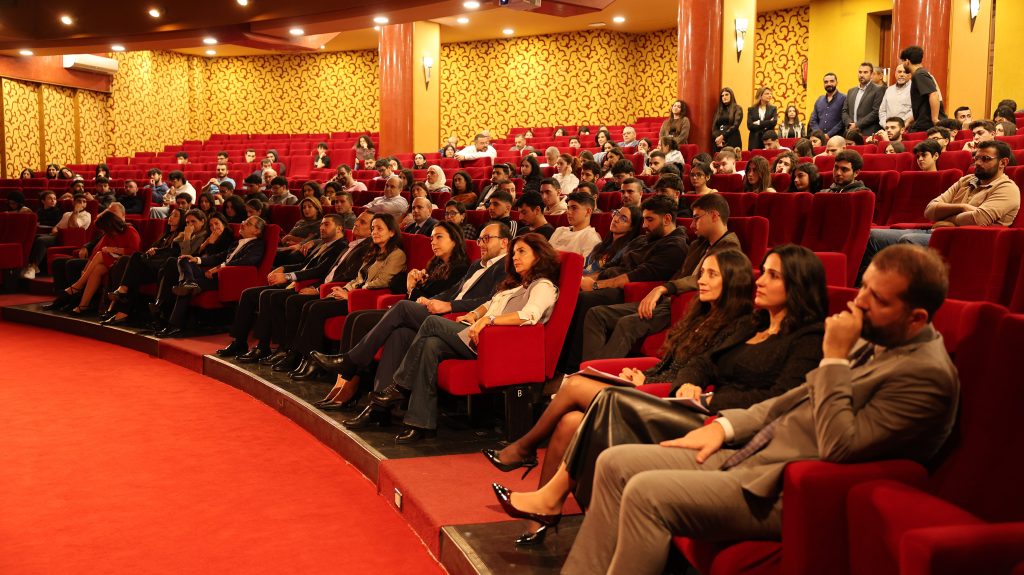
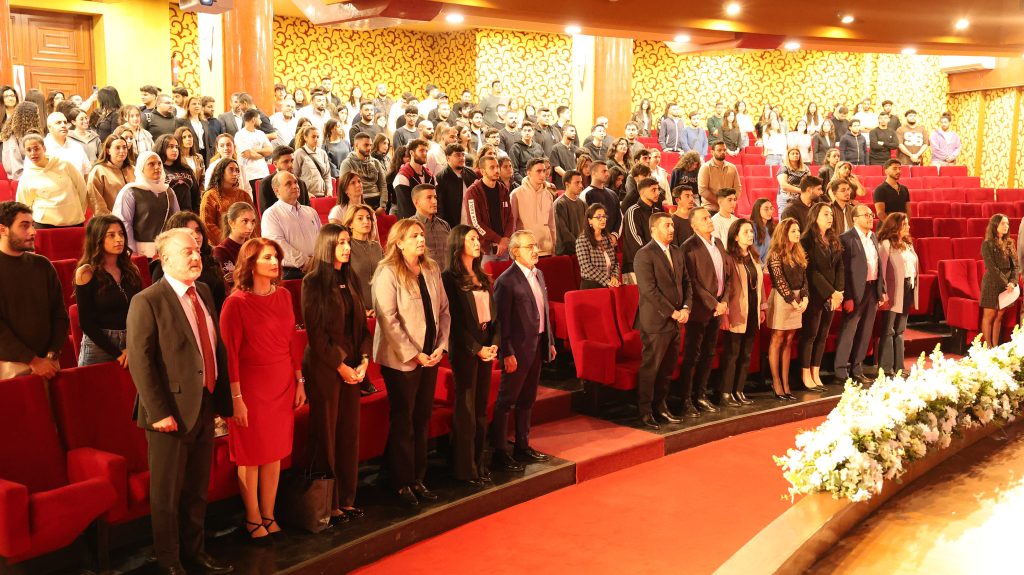
The event was attended by several board members, professors, and a large number of students.
Opening Remarks: The Limits of AI and the Human Essence of Leadership
Dean Ghosn opened the event with a speech on the profound impact of artificial intelligence, which now provides younger generations with advanced tools that guide, inspire, and help them learn and train effectively.
However, despite its impressive capabilities, AI’s influence remains purely technical.
She emphasized that AI cannot read human emotions, teach values such as integrity, courage, or empathy, nor can it guide individuals in mastering collaboration, emotional regulation, resilience after failure, facing pressure, or overcoming disappointment.
AI cannot replace intuition or the deep human understanding we develop through human interaction.
“It cannot breathe life into people and this is precisely where leadership begins.”
Dean Ghosn highlighted that today’s event is a call to rethink leadership, teaching methods, and the role each of us plays in an ever-accelerating technological world one where AI increasingly permeates daily life, while many individuals lack care, attention, and connection.
Societies, she noted, are searching for leaders who can balance innovation with empathy, and progress with responsibility, because leadership at its core is about people not processes, algorithms, or metrics.
She stressed that academic institutions now play a more crucial role than ever. Universities are not only places of knowledge, but cradles of leadership, where the values of the future are cultivated.
She concluded: “As we celebrate 150 years of Université La Sagesse, let us also look ahead: What kind of leaders do we want to send into the world? What values do we want to protect? And how do we use technology without losing our humanity advancing forward without losing sight of our ultimate purpose?”
Two Panel Discussions
The event began with welcoming remarks by Dr. Alain Osta, Director of the Entrepreneurship Center at Université La Sagesse (PULSE), followed by two panel discussions.
Panel 1: Effective leadership requirements, sustainability, and organizational development.
Panel 2: Human-centered leadership: Emotional Intelligence and Artificial Intelligence for a sustainable future.
Speakers emphasized a major shift in today’s world regarding leadership, as AI now has the capacity to replace many roles. Yet this should not justify letting employees go; on the contrary, it should motivate organizations to invest in training programs that equip employees with new skills matching today’s needs.
They stressed that leadership requires a strong focus on employees’ Emotional Intelligence, which boosts their motivation and personal commitment to achieving organizational goals. AI becomes a tool that supports this journey but remains secondary to emotional intelligence.
Panelists agreed that fear of AI is unnecessary. Humanity has always adapted to technological changes: countless jobs have disappeared throughout history, but new ones have emerged. The same is expected with the AI revolution certain roles will fade, while new ones will be created.
Technology, they said, is not a threat but an opportunity one that must be used cautiously while prioritizing the enhancement of interpersonal skills so individuals do not become fully dependent on technology.
Speakers also underscored the importance of involving young employees in decision-making.
This generation understands technological developments, knows how to navigate them, and seeks more than just a monthly salary. They aim for personal growth and career advancement.
This requires a model of collaborative leadership, which significantly contributes to organizational development and corporate success.

PANEL 1


PANEL 2